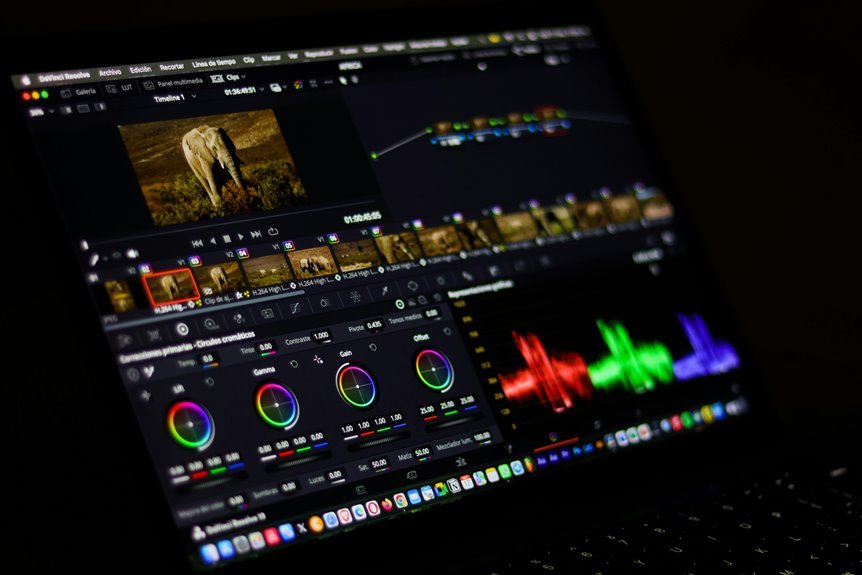
The term Tech is everywhere — from smartphones and artificial intelligence to smart homes and self-driving cars. In the 21st century, technology is no longer just a tool; it’s a driving force reshaping how we work, communicate, and live. This SEO-optimized article dives deep into the meaning of Tech, its evolution, major innovations, and the impact it continues to make across the globe. Whether you’re a tech enthusiast or a casual user, understanding the influence of technology is key to navigating the modern world.
What Does Tech Mean Today?
At its core, Tech (short for technology) refers to the application of scientific knowledge for practical purposes. From ancient inventions like the wheel and printing press to today’s quantum computing and AI systems, technology has always been humanity’s greatest tool for progress. In the modern sense, Tech has evolved to represent not only hardware and devices but also the software, systems, and networks that power our digital lives. It encompasses everything from information technology (IT) and biotechnology to fintech, health tech, edtech, and green tech — each field focusing on innovation within its domain.
The Evolution of Tech
The journey of Tech has been a fascinating story of human creativity. The Industrial Revolution marked the first major wave of technological advancement, introducing machines that transformed industries. The 20th century brought electricity, radio, and computers — innovations that changed communication, science, and global economies. Enter the Digital Revolution, where personal computers and the internet connected the world in unprecedented ways. Today, we live in the Fourth Industrial Revolution, powered by AI, IoT, blockchain, and automation, blurring the lines between the physical, digital, and biological worlds.
The Role of Tech in Everyday Life
Every aspect of modern living depends on Tech. Smartphones keep us connected, cloud services store our memories, and smart homes automate daily routines. In healthcare, technology enables early disease detection and personalized treatment. In education, edtech tools make learning more interactive and accessible. In business, digital transformation drives efficiency, data-driven decision-making, and remote collaboration. From e-commerce platforms like Amazon to streaming services such as Netflix, Tech simplifies life while opening new opportunities for creativity and entrepreneurship.
How Tech Drives Business Growth
In the business landscape, Tech is the ultimate competitive advantage. Companies leverage automation, artificial intelligence, and data analytics to streamline operations and understand customer needs. Startups use tech innovation to disrupt traditional industries with creative solutions, while large corporations rely on digital ecosystems to scale globally. Cloud computing, cybersecurity, and machine learning have become foundational pillars for sustainable business growth. The integration of tech in business also allows companies to minimize costs, enhance productivity, and deliver superior customer experiences.
Emerging Trends in Tech
The future of Tech is more exciting than ever. Among the key trends shaping the digital era are:
- Artificial Intelligence (AI): Transforming automation, personalization, and data analysis.
- Internet of Things (IoT): Connecting billions of devices for smarter cities and homes.
- Blockchain: Ensuring secure, transparent transactions beyond cryptocurrency.
- 5G Connectivity: Enhancing mobile internet speed and real-time communication.
- Green Tech: Developing eco-friendly innovations for sustainable growth.
- Augmented Reality (AR) and Virtual Reality (VR): Revolutionizing gaming, retail, and education.
These advancements are not only redefining industries but also creating new career paths, economies, and possibilities.
The Impact of Tech on Society
While Tech empowers progress, it also raises ethical and social questions. Automation threatens traditional jobs, data privacy concerns continue to grow, and digital addiction challenges mental health. The key lies in responsible tech innovation — developing solutions that enhance human welfare without compromising ethics or sustainability. Governments and organizations worldwide are adopting policies for data protection, digital literacy, and AI regulation to ensure that technology serves humanity, not the other way around.
The Future of Tech
Looking ahead, Tech will continue evolving faster than ever before. Quantum computing may redefine problem-solving capabilities, while biotechnology could extend human life expectancy. Space technology and robotics promise exploration beyond Earth. The integration of AI in everyday decision-making will transform healthcare, education, and governance. As these innovations unfold, the importance of digital skills and adaptability will become essential for individuals and businesses alike. Those who embrace change and stay informed will thrive in the tech-driven world of tomorrow.
Why Understanding Tech Matters
Understanding Tech isn’t just about keeping up with trends — it’s about preparing for the future. As industries digitize, jobs evolve, and global connectivity deepens, knowing how technology works helps you stay secure, competitive, and relevant. Whether you’re an entrepreneur leveraging digital tools, a student pursuing STEM education, or a consumer navigating online security, awareness of technology’s potential and risks ensures smarter choices and better outcomes.
Final Thoughts
In conclusion, Tech represents the backbone of modern civilization — the engine that powers communication, innovation, and global progress. From AI and robotics to sustainability and digital inclusion, technology shapes the way we think, live, and interact. As we move toward an increasingly connected world, embracing Tech responsibly will be key to achieving a balance between innovation and humanity. The future of Tech isn’t just about smarter machines — it’s about building a smarter, more sustainable, and more inclusive world for everyone.